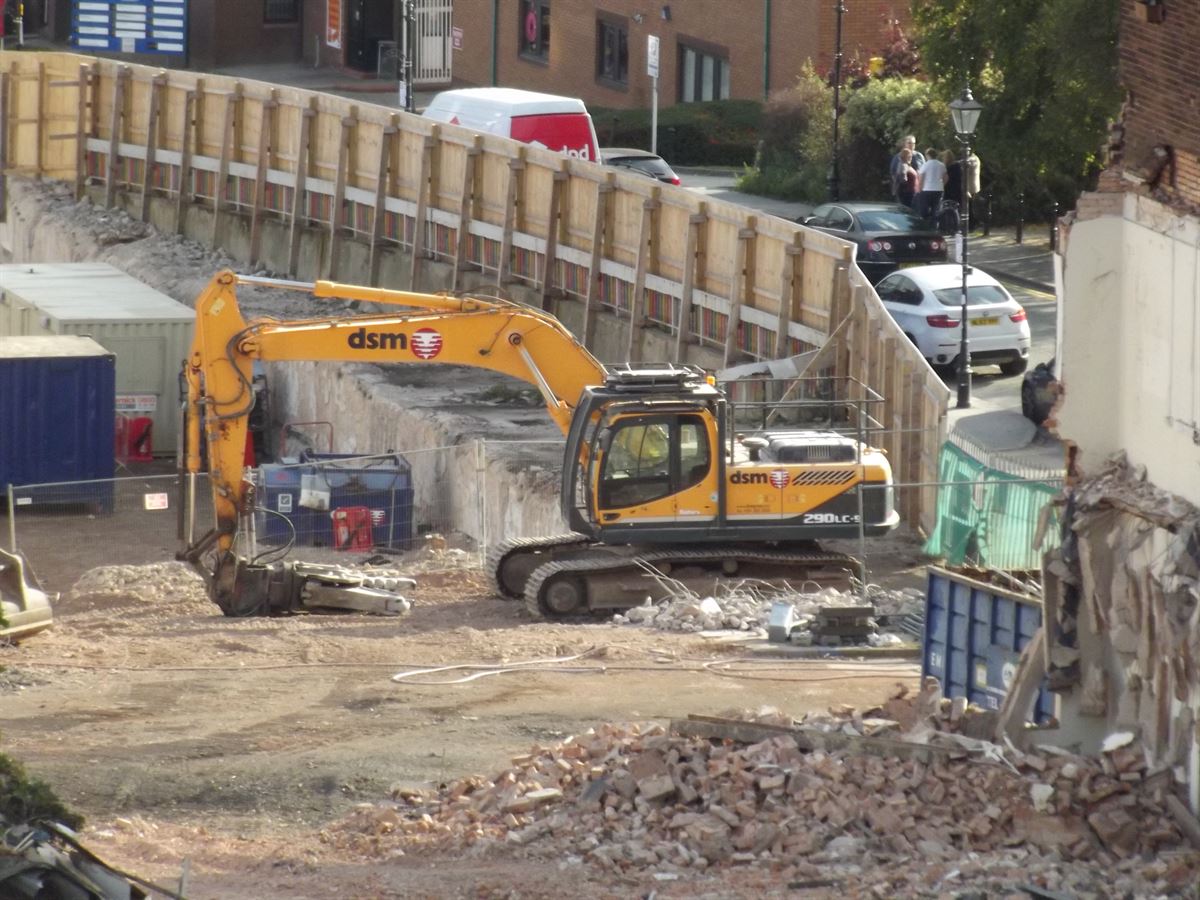
Whether you are clearing a lot to build a new home, removing an old addition or tearing off a worn-out roof, demolition is the first step of a bigger project. It can look simple from the outside, but a safe and efficient demolition takes planning. Getting the order of steps right protects your property, your neighbors and your budget, and leaves a clean site for the work that comes next.
Start by defining the scope. A full demolition removes the entire structure, and sometimes the foundation, slab and driveway too. A partial demolition takes down only part of a building, such as a garage, a patio cover, an interior wall or an old addition, while protecting the rest. Partial work requires extra care, because what stays has to remain stable and undamaged. Being clear about exactly what comes down and what stays is the basis for an accurate estimate.
A roof tear-off is its own kind of project. Removing old shingles, tile or layers of roofing material exposes the deck underneath so it can be inspected and repaired before a new roof goes on. Tear-off work produces a lot of debris in a short time, so it needs a plan for protecting landscaping, windows and pools, and for collecting nails and fragments around the house. It also needs to be coordinated with the roofer so the house is not left open to the weather, especially during monsoon season.
Permits come before any equipment arrives. The City of Phoenix and many other cities in the area require a demolition permit for removing a building, and some partial demolitions and roof work may also need one. Requirements, fees and timelines vary from city to city, so check with your city's building or development services department about what your project needs. Your HOA may have its own rules about work hours, equipment and dumpsters as well.
Utilities must be safely disconnected before demolition starts. Electricity, gas, water, sewer and any other services need to be shut off and capped by the proper utility companies or qualified professionals, and some cities ask for proof of disconnection as part of the permit process. Before any digging, call Arizona 811 so underground lines can be marked. This step protects workers and neighbors and prevents costly damage.
Older homes need to be checked for asbestos. Many buildings constructed before the 1980s used asbestos in materials such as flooring, ceiling texture, insulation, siding and roofing. When those materials are disturbed, fibers can be released into the air. Testing by a qualified inspector before demolition tells you whether asbestos is present, and if it is, it must be removed by properly qualified professionals before demolition goes forward. Regulators may also require notification before a demolition, so ask about the current requirements.
Debris hauling and dust control are a big part of the job. Demolition produces concrete, wood, metal, roofing and other materials, and much of it can be separated and recycled instead of going straight to a landfill. Concrete and metal in particular are often recyclable. Maricopa County also has dust control rules for activities that disturb soil, which can include demolition, so the work should be planned with dust in mind, using methods such as watering the site and limiting how much ground is disturbed at once.
Protecting what stays is just as important as removing what goes. Mature trees that you want to keep should be marked and fenced off so equipment does not damage their trunks or compact the soil over their roots. Shared walls, fences, driveways and neighboring homes should be considered in the plan, and it is a good idea to let neighbors know when the work will happen. At the end, the site should be cleared, graded and ready for rebuilding, a new foundation or new landscaping.
Planning a demolition, partial demolition or roof tear-off? Call (602) 206-3203 — we answer 24/7. Your first visit is free: we evaluate your property and give you a free estimate.